
ETFE Design Freedom Unleashed from Shape, Span, 3D Form and Intelligent Colour Surfaces
A New Language of Form
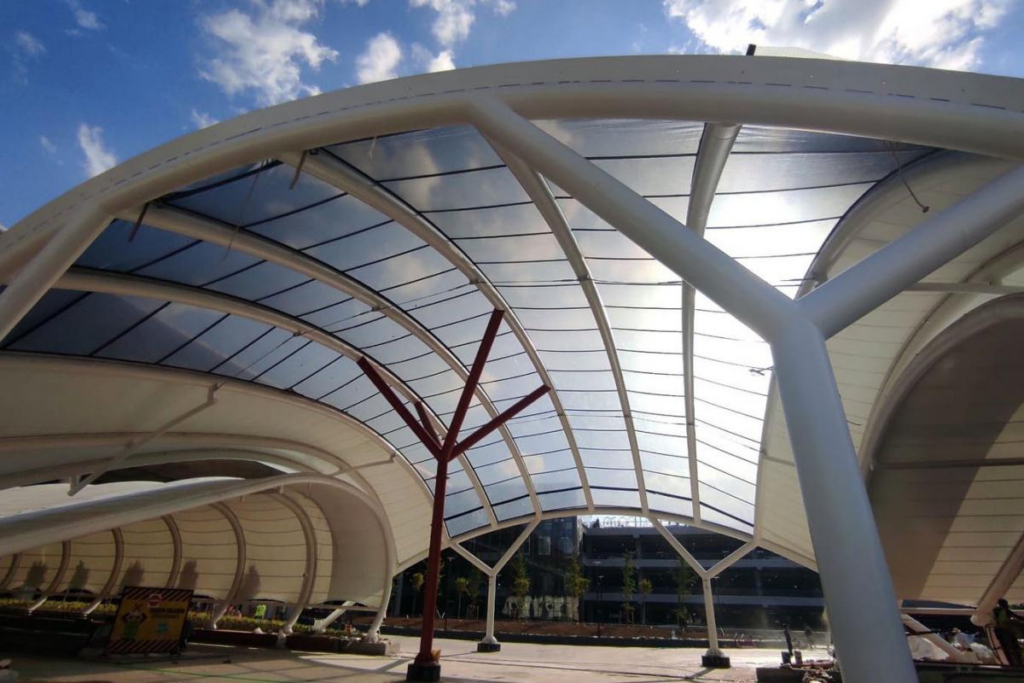
Architecture today is no longer limited to straight lines and repetitive grids. With ETFE structures, designers are able to think more freely and create shapes that feel natural, fluid, and visually engaging. Instead of forcing a design to fit rigid materials, ETFE allows the material to follow the design intent. This makes it possible to achieve smooth curves, soft transitions, and expressive forms without unnecessary complexity.
For roof facades, this means the surface is no longer just a covering. It becomes part of the architecture itself. A roof can now flow across spaces, respond to movement, and create a strong visual identity. This shift allows buildings to feel lighter, more open, and more connected to their surroundings.
Key points:
- Freedom to design beyond straight lines
- Smooth curves and flowing geometry
- Roof facades become part of the design identity
- Creates more engaging and modern architecture
Seamless Integration — From ETFE Roof Extending Into Facade
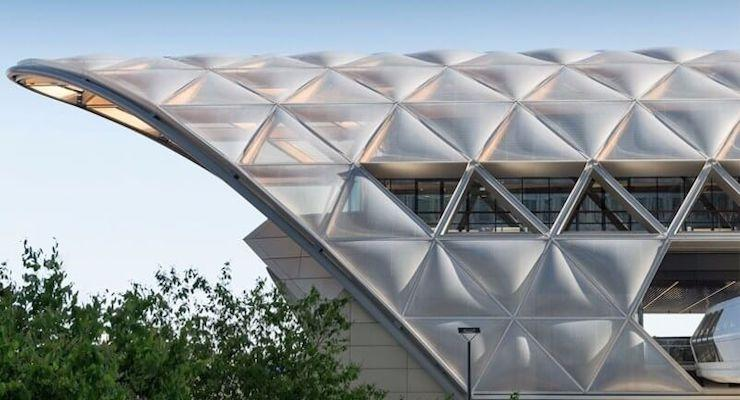
In more advanced designs, ETFE structures can extend from the roof down into the facade, creating a continuous surface that wraps the building. Instead of having a clear line where the roof ends and the wall begins, the ETFE system allows the surface to curve smoothly from horizontal to vertical.
This is made possible by designing the structure first and allowing the ETFE cushions to follow that geometry. The panels are arranged in a way that minimizes visual breaks, so even though they are individual units, they appear as one smooth layer. The result is a building that feels unified and clean, with a strong architectural presence.
Key points:
- Smooth transition from roof to facade
- Creates a unified building appearance
- No harsh visual breaks between surfaces
- Enhances overall design flow
Maximum Panel Size in ETFE Structure
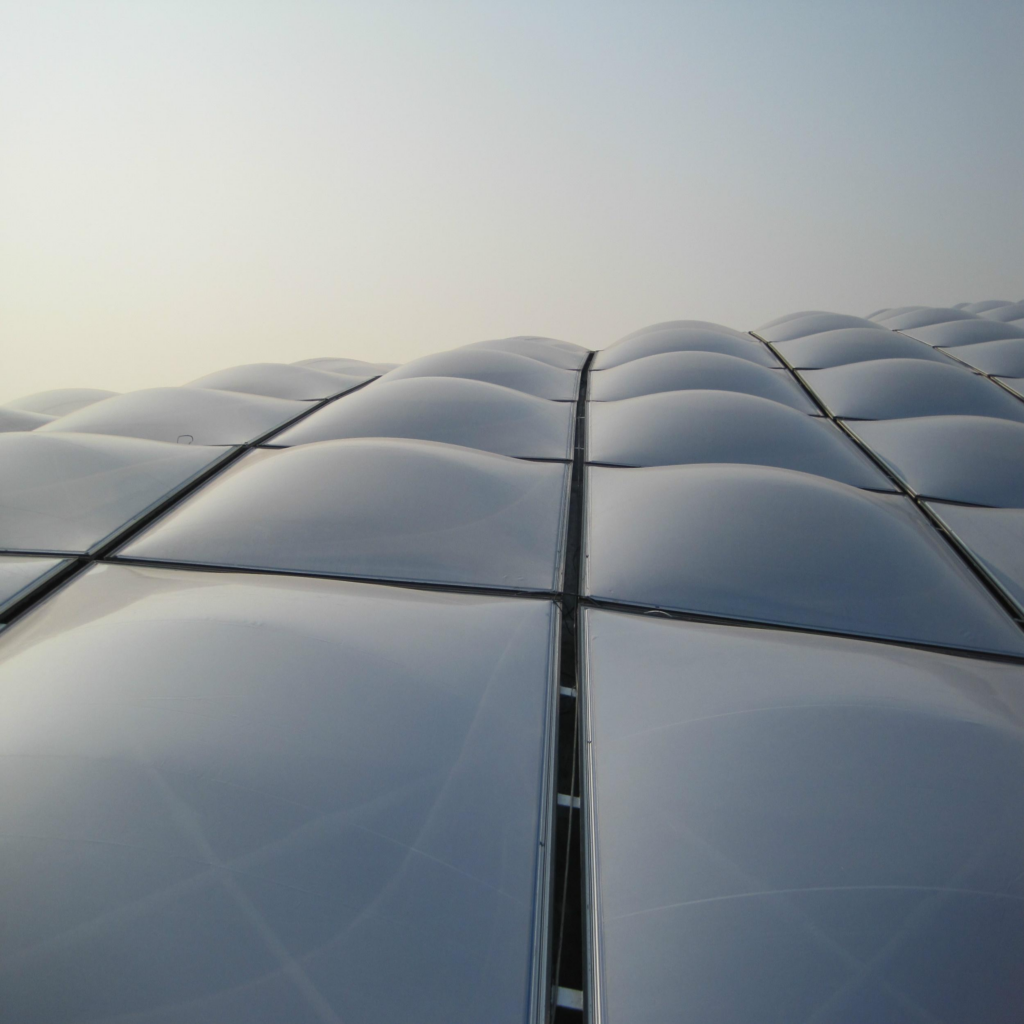
One of the biggest advantages of ETFE structures is the ability to use large panels, known as cushions. These cushions can typically be around 3m to 5m wide and extend up to 20m to 30m long, depending on the project design. Because of this, large areas can be covered with fewer panels, creating a cleaner and more continuous surface.
This is very different from glass systems, where many smaller panels are required. With ETFE, the reduced number of joints helps the roof facade look smooth and uninterrupted. It also improves how natural light spreads across the space, making interiors feel brighter and more open.
Weight comparison (ETFE vs Glass):
- ETFE: approx. 0.5 – 1.5 kg/m²
- Glass: approx. 25 – 50 kg/m²
This means ETFE is up to 95% lighter than glass, making it easier to achieve large-span designs without compromising the visual effect.
Key points:
- Large panels up to ~20–30m in length
- Fewer joints, smoother appearance
- Better daylight distribution
- Much lighter than glass
True 3D Freedom in FETFE and Complex Geometry
ETFE structures are highly flexible when it comes to shape. They can easily adapt to complex 3D forms such as curves, domes, and free-form surfaces. This allows architects to design buildings that are more dynamic and visually interesting.
Instead of simplifying a design to fit the material, ETFE follows the intended shape. This is especially useful in modern architecture where digital tools are used to create advanced geometries. The result is a roof facade that looks smooth, continuous, and unique from every angle.
Key points:
- Supports complex and curved shapes
- Ideal for modern 3D design
- Maintains smooth surface appearance
- Enables unique architectural forms
Multiple Non-Symmetrical Structures, One Unified Expression
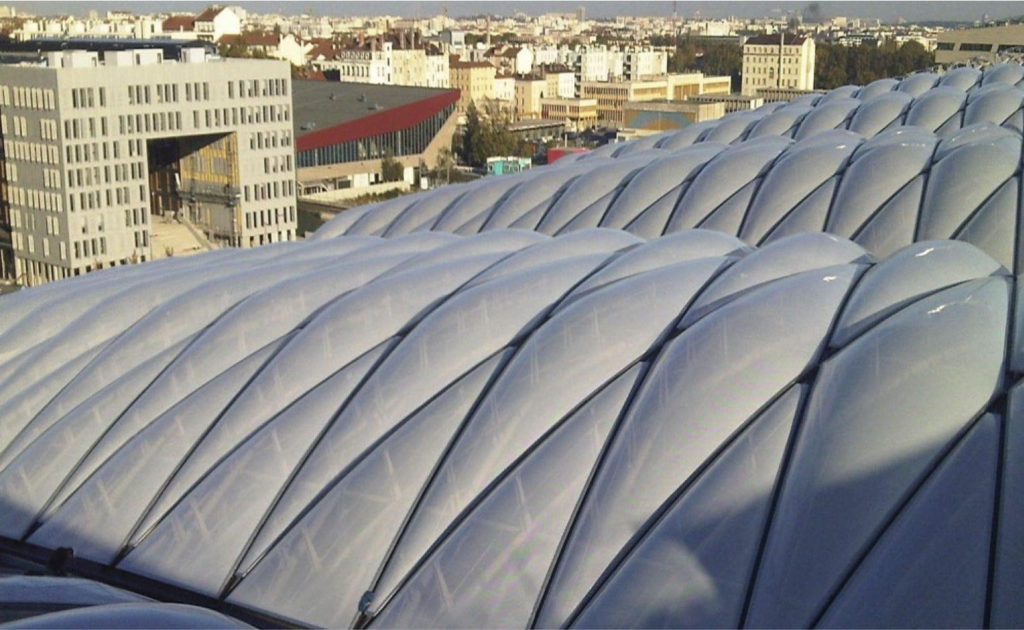
Modern buildings often use different shapes within the same project. With ETFE structures, it is possible to combine these non-symmetrical forms into one cohesive design. Each area can have its own geometry, yet still connect visually with the rest of the building.
This creates roof facades that feel dynamic and interesting, rather than repetitive. Even though the shapes may vary, the overall appearance remains consistent because the same material and system are used throughout.
Key points:
- Supports different shapes in one project
- Non-repetitive and dynamic design
- Maintains visual consistency
- Flexible for complex layouts
Adaptive ETFE Shading On Demand — Intelligent Skin
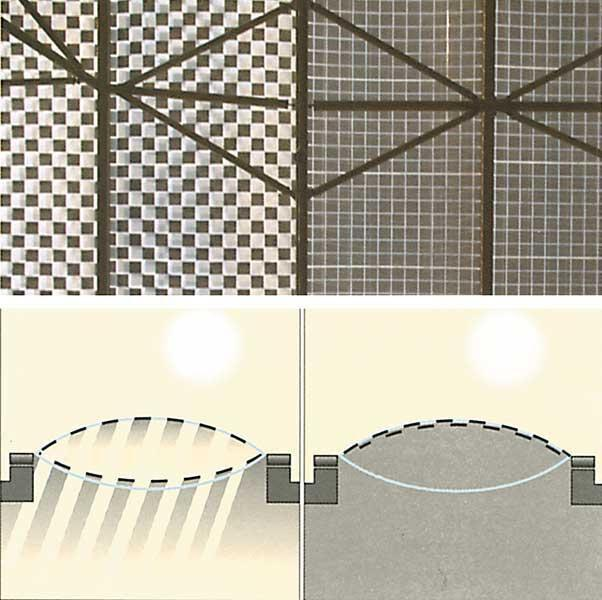
ETFE structures can also help control sunlight and heat through adaptive shading. Each cushion can include multiple layers that move depending on air pressure. When the layers overlap, they reduce sunlight and heat. When they separate, more light can pass through.
This system works using a controlled air pump that adjusts the pressure inside the cushions. It can be automated to respond to weather conditions or controlled manually. This makes the roof facade more efficient and comfortable for users inside the building.
How it works (simple):
- Cushions contain multiple layers
- Air pressure changes layer position
- Overlap = more shade, separation = more light
- Controlled automatically or manually
Key points:
- Controls light and heat in real time
- Improves indoor comfort
- Reduces glare and solar gain
- Smart and responsive system
Light as Architecture — LED Integration in ETFE and Dynamic Effects
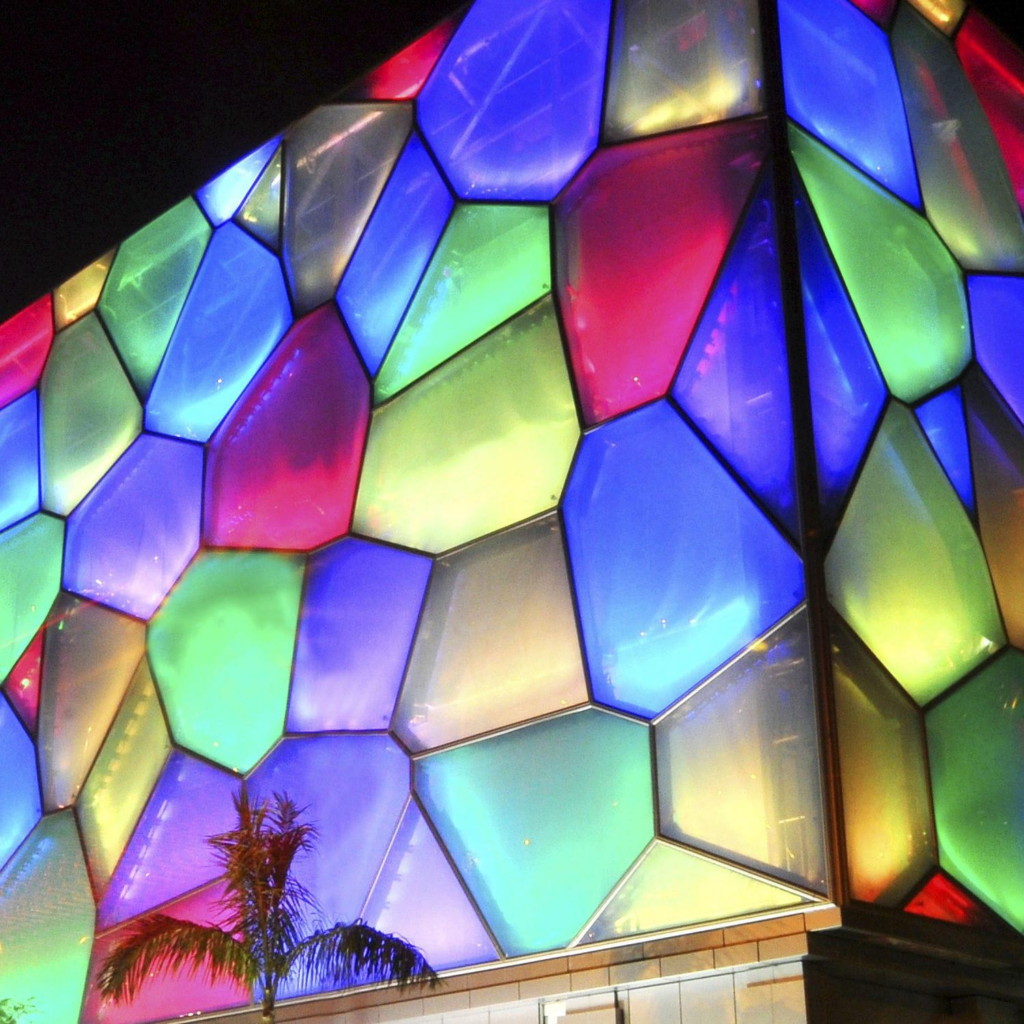
With LED integration, ETFE structures can become a lighting feature as well. Each cushion can include lighting elements that allow it to glow and change color. At night, the building can display different patterns, animations, or colors depending on the design.
This creates a unique effect where the roof facade looks like a series of glowing bubbles. The lighting can be subtle for everyday use or more dynamic for events, making the building stand out in its surroundings.
Key points:
- Panels can include LED lighting
- Color-changing and animation effects
- Creates glowing “bubble” appearance
- Enhances night-time design
Designing Without Limits
With ETFE structures, architects are no longer restricted by traditional materials. They can design freely, using large panels, complex shapes, and smart systems to create buildings that are both functional and visually striking.
From flexible geometry to adaptive shading and lighting, ETFE allows roof facades to perform and express at the same time. It represents a new way of thinking about building design—one that focuses on freedom, efficiency, and innovation.
Key points:
- Full design freedom
- Combines form and performance
- Supports modern architecture needs
- Redefines roof facade possibilities
TE Membrane provide invaluable insights and solutions in the area of full design & engineering in tensile fabric structure. Their experience ensures your project benefits from cost-effective, aesthetically pleasing, and structurally sound designs in tensile membrane manufacturing and completion of tensile membrane structure for roof and wall. Collaborate with them to expertly manage geometry selection, fabrication, and installation for a successful outcome ETFE membrane structures roof and facades specialist.
This article is for educational and informational purposes only. All comparisons are based on general industry data and typical engineering assumptions and may vary depending on project design, location, and specifications.
All images are used strictly for illustration and do not represent any real project, company, or construction work. i