
The Long Term Game
Why Maintenance, Durability, and Ownership Cost Matter More Than Just Project Pricing
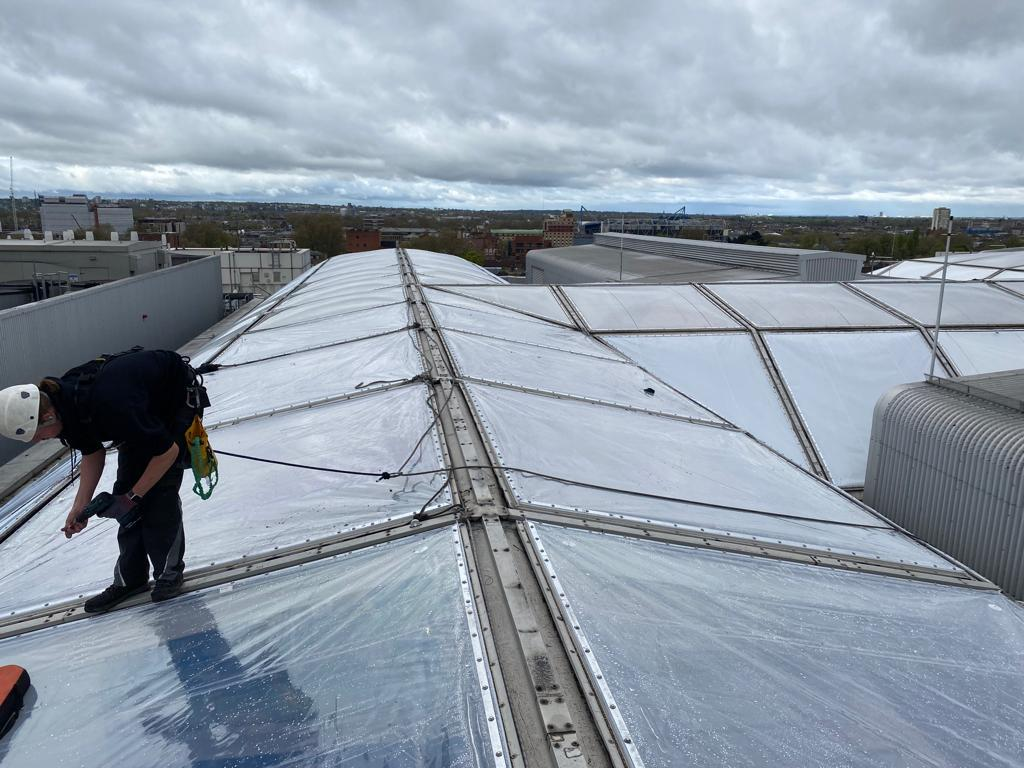
When most contractors, developers, architects, and building owners evaluate roofing systems, the first number they often compare is the ETFE project cost. But the smarter question is not “What will this cost now?” — it is “What will this cost me over the next 30 years?”
This is where ETFE changes the conversation.
While glass roofing has long been considered a premium option, the long-term ownership story often tells a different truth. ETFE is not only lighter, faster, and more adaptable, but when it comes to maintenance, serviceability, operational cost, and lifespan, it often delivers significantly greater value over time.
The real cost of roofing is not measured on ETFE project handover day. It is measured through decades of operation, maintenance calls, cleaning schedules, repairs, and system performance.
ETFE Is Designed for Long-Term Performance
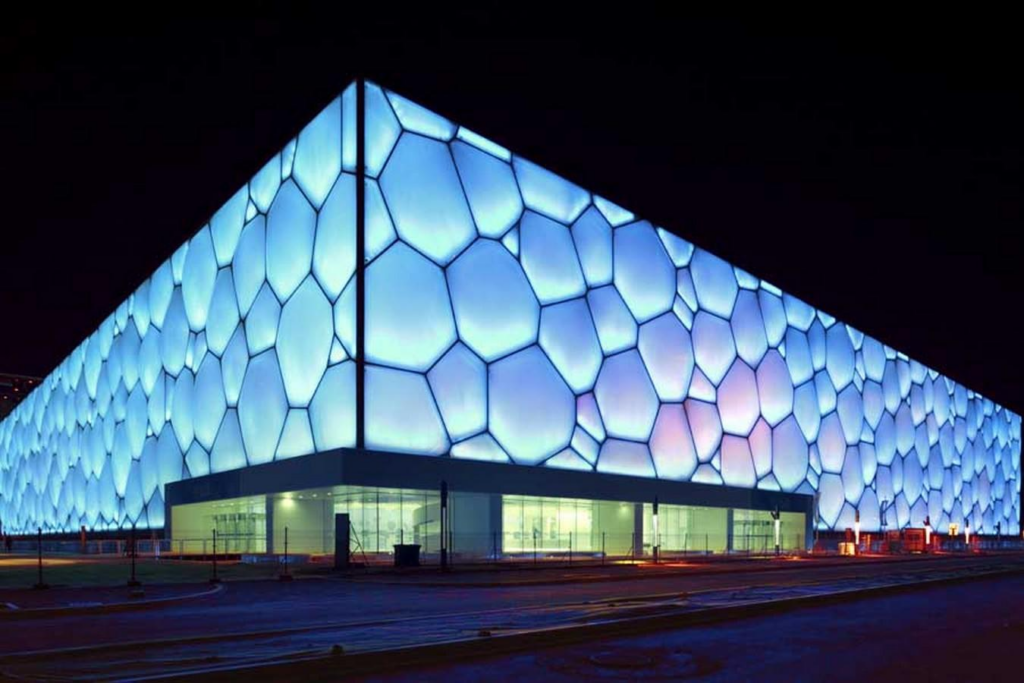
Modern ETFE roofing & facade systems are commonly engineered for 25 to 30 years of performance, with many early projects globally already exceeding that timeline and continuing to operate effectively. Some installations are moving beyond 40 years with proper monitoring and maintenance.
Unlike traditional roofing materials that may degrade unevenly, ETFE performs differently. It does not rust, crack, or become brittle easily. Its chemical structure makes it highly resistant to:
- UV radiation
- Air pollution
- Moisture exposure
- Temperature fluctuation
- Acidic rain environments
- Sea and coastal corrosion
- Biological growth such as algae or mold
This allows ETFE to maintain its structural and visual performance over long periods with minimal intervention.
Glass can also last 20 to 30 years, but the issue is not always the glass itself — it is the surrounding system like sealant failure, watermark & stain retention, clamping system and replacement challenges.
ETFE Cleaning Is Simpler Than Most People Expect
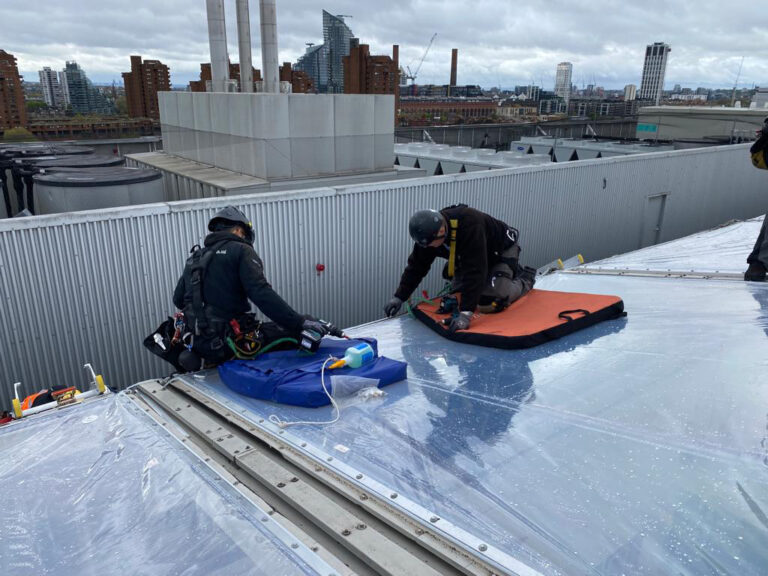
One of the biggest advantages of ETFE is its self-cleaning surface.
The non-stick properties of ETFE mean dirt, dust, and airborne contaminants do not easily attach to the material. In many climates, natural rainfall helps wash the surface clean, reducing the need for regular manual cleaning.
When ETFE Damage Happens, Is ETFE Easier to Repair ?
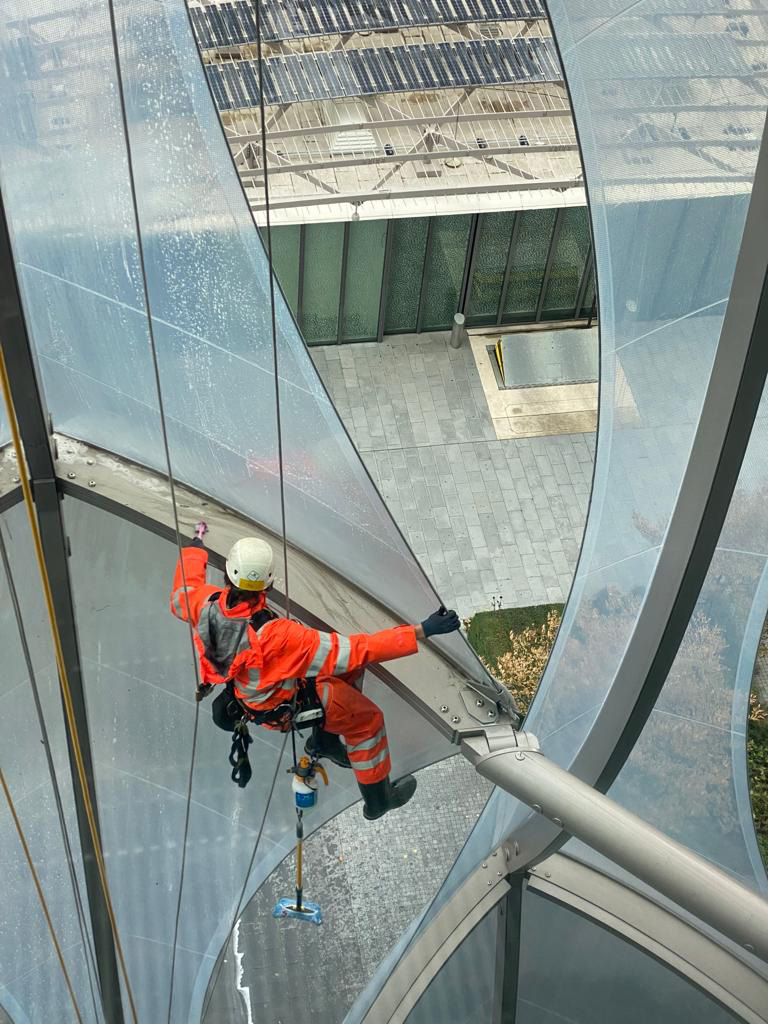
No roofing system is completely immune to damage. Accidental impact, sharp object puncture, structural movement, extreme weather, or unforeseen environmental events can occur over the lifespan of any building. Even the most advanced roofing system will eventually require some level of repair or intervention.
The advantage of ETFE lies in how these situations are managed.
If one ETFE foil panel is damaged, it can typically be replaced individually without dismantling the full roofing system. ETFE replacement is generally faster, lighter, and less disruptive.
However, one factor is often overlooked during project planning: response time.
This is where choosing the right ETFE partner becomes critical.
Some building owners or consultants appoint overseas ETFE contractors because the initial project cost appears attractive. On paper, this may look like a practical decision. But when damage happens, reality can be very different.
If the ETFE supplier is based overseas, emergency support may involve:
- International travel arrangements
- Longer approval processes
- Delayed mobilization
- Shipping lead time for replacement foil
- Limited access to local technical teams
- Higher emergency repair costs
- Slower communication between parties
A repair that can become many months. This can turn a manageable ETFE repair into a major operational problem.
For commercial buildings, airports, shopping centres, stadiums, public facilities, or hospitality projects, prolonged downtime can create significant consequences such as:
- Revenue loss
- Visitor disruption
- Safety exposure
- Water ingress risk
- Escalating internal damage
- Delayed reopening
- Higher emergency recovery cost
- Damage to operational reputation
What begins as a single damaged panel can quickly become a larger issue if the response is delayed.
This is why appointing a local ETFE specialist is often one of the most important long-term decisions in any ETFE project.
ETFE Ages More Gracefully
Over decades, ETFE continues to maintain:
- Light transmission
- Structural flexibility
- Surface quality
- System integrity
Unlike glass systems where failure often starts at joints and seals, ETFE behaves as a more resilient, integrated system.
The Real Question
The question should never be:
“Which roof is cheaper today?”
The better question is:
“Which system will still perform efficiently, safely, and economically after 30 years?”
ETFE answers that question with clarity.
It is not just a modern material — it is a long-term strategy.
TE Membrane provide invaluable insights and solutions in the area of full design & engineering in tensile fabric structure. Their experience ensures your project benefits from cost-effective, aesthetically pleasing, and structurally sound designs in tensile membrane manufacturing and completion of tensile membrane structure for roof and wall. Collaborate with them to expertly manage geometry selection, fabrication, and installation for a successful outcome ETFE membrane structures roof and facades specialist.
This article is for educational and informational purposes only. All comparisons are based on general industry data and typical engineering assumptions and may vary depending on project design, location, and specifications.
All images are used strictly for illustration and do not represent any real project, company, or construction work of stanaccess.